
Since 2009
Since 2009


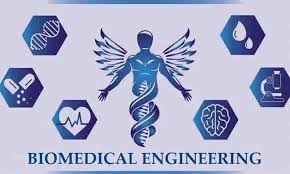
Biomedical Engineering is a branch of engineering that applies engineering principles and technology to medicine and biology to improve healthcare. It combines subjects such as biology, physics, chemistry, mathematics, computer science, and engineering.
Biomedical engineers work on:
Designing medical devices such as pacemakers, artificial limbs, and hearing aids.
Developing imaging equipment like MRI and CT scanners.
Creating artificial organs and tissue engineering solutions.
Improving medical software and healthcare technologies.
Maintaining and testing hospital medical equipment.
Some common career opportunities include:
Medical device engineer
Clinical engineer
Biomedical equipment technician
Research scientist
Rehabilitation engineer
Healthcare technology consultant
Biomedical engineering is ideal for students who enjoy both science and engineering and want to develop technologies that improve people's health and quality of life.
If you mean eligibility for Biomedical Engineering, it depends on the course level and country. For India, the usual requirements are:
12th standard (Class 12) pass with:
Physics and Chemistry as compulsory subjects
Mathematics (required in many engineering colleges)
Biology may also be accepted by some colleges (especially for students from PCB backgrounds)
Minimum marks usually around 45–60% (varies by college and category)
Admission is often through engineering entrance exams such as JEE Main or state-level entrance exams.
10th standard pass (eligibility varies)
Some institutes require science and mathematics background.
A bachelor’s degree in Biomedical Engineering or related fields such as Electrical, Electronics, Mechanical, Biotechnology, or Medical-related engineering disciplines.
If you tell me your current qualification (10th, 12th, diploma, or degree) and your subjects (PCM/PCB), I can tell you the exact eligibility path.






Your Future is Created by what you do Today not Tomorrow
UDYAM REGISTRATION NUMBER : UDYAM-TN-03-0125460
© Bright Life All Rights Reserved
